
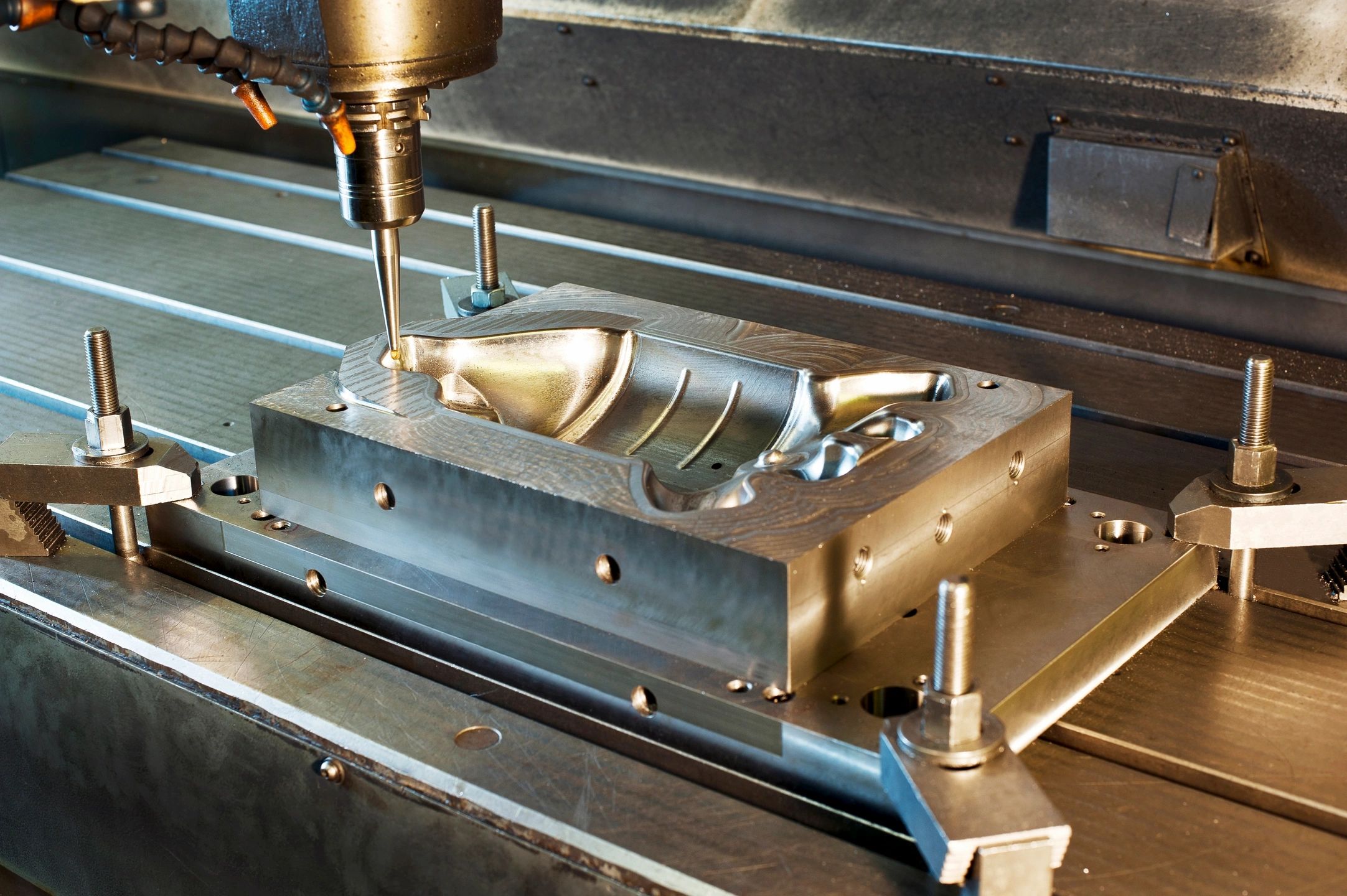
Modern ERP for Fabricated Metals Manufacturers Is Becoming a Strategic Requirement
Fabricated metal manufacturers operate in one of the most demanding corners of modern manufacturing. A normal day can include rush orders, shifting material costs, incomplete job details, customer-driven changes, engineering revisions, labor constraints, and schedule adjustments that ripple across the shop floor.
For years, many manufacturers have managed this complexity with a mix of spreadsheets, manual handoffs, disconnected systems, and tribal knowledge. That approach may work when the business is smaller or less complex, but it becomes harder to sustain as customer expectations rise, quote timelines shrink, and production demands become more variable.
Epicor’s recent article, “Modern ERP for Fabricated Metal Manufacturers,” highlights a critical reality: fabricated metal operations rarely run in clean, predictable cycles. Jobs change. Schedules move. Engineering information evolves. Materials fluctuate. When systems are disconnected, even a small misalignment can create larger downstream issues across quoting, production, inventory, documentation, and delivery.
For Stratify Holdings and KineticForce, this is exactly where Epicor Kinetic becomes valuable. Modern ERP for fabricated metal manufacturers is not simply about replacing old software. It is about creating a stronger operational foundation that helps manufacturers respond to complexity with more confidence, better visibility, and more connected execution.
Why Fabricated Metal Manufacturers Need More Than Manual Workarounds
Many fabricated metal companies are highly skilled operationally. Their teams know how to solve problems, keep jobs moving, and adjust when customer needs change. The issue is not a lack of effort or expertise. The issue is that manual systems often make that expertise harder to scale.
When quoting lives in one place, engineering data in another, inventory updates in another, and production schedules are managed separately, teams lose the ability to work from the same version of the truth. That creates friction in areas such as:
- Estimating and quoting
- Engineering changes
- Material planning
- Inventory accuracy
- Job costing
- Production scheduling
- Labor tracking
- Quality documentation
- Delivery coordination
In fabricated metals, these issues matter because margins can be tight and details matter. A quote built on outdated material costs can reduce profitability. A schedule built without accurate inventory can delay production. An engineering change that does not reach the floor quickly can create scrap, rework, or customer dissatisfaction.
Modern ERP for fabricated metal manufacturers helps reduce these risks by connecting the operational chain from quote to shipment. That connected approach is central to Epicor Kinetic and directly supports the type of implementation, optimization, and advisory work KineticForce provides.
The Value of Connecting Quote to Ship
One of the strongest themes from Epicor’s article is the importance of connecting the entire workflow. Fabricated metal manufacturers benefit when quoting, engineering, production, inventory, and delivery are tied together through a shared digital thread.
For KineticForce, this quote-to-ship connection is one of the most important value points when supporting Epicor Kinetic customers. A connected ERP environment helps manufacturers move away from isolated decision-making and toward coordinated execution.
With Epicor Kinetic, manufacturers can create a more structured path from the first customer request through final shipment. Estimates can be connected to real routings and material data. Approved quotes can flow into production more efficiently. Engineering changes can update related records. Inventory, nesting, labor, scheduling, and delivery can be managed with better alignment.
That matters because fabricated metal manufacturers do not simply need more data. They need usable, connected information that helps teams make better decisions faster.
How Epicor Kinetic Supports High-Mix Fabricated Metal Manufacturing
Fabricated metals manufacturers often operate in high-mix environments. That means they may handle custom jobs, changing specifications, shorter production runs, and frequent order variation. These environments are difficult to manage with rigid or outdated systems.
Epicor Kinetic is designed for manufacturers that need flexibility and control. For KineticForce, this creates a strong operational opportunity. Instead of forcing manufacturers into generic ERP processes, KineticForce can help companies configure and optimize Epicor Kinetic around the realities of their production environment.
That may include support for:
- Engineer-to-order and make-to-order workflows
- Job costing and margin visibility
- Shop floor execution
- Production scheduling
- Materials and inventory planning
- Quality and traceability requirements
- Financial reporting
- Business process improvement
- Cloud ERP modernization
- System integrations and data visibility
The goal is not just to “go live” on Epicor Kinetic. The goal is to help manufacturers use the platform in a way that improves how the business actually runs.
What This Means for Stratify Holdings & KineticForce Operations
Epicor’s focus on fabricated metals creates a clear opportunity for KineticForce to strengthen its positioning around manufacturing ERP modernization. The more Epicor emphasizes industry-specific ERP for fabricated metals, the more KineticForce can align its services, messaging, and operational support around the needs of those manufacturers.
This can affect KineticForce operations in several important ways.
1. Stronger Vertical Messaging
Fabricated metals manufacturers have specific pain points. They are not looking for vague ERP promises. They want help with quoting accuracy, production visibility, scheduling, material control, job costing, and reducing manual workarounds.
KineticForce can use this industry focus to develop clearer vertical messaging around Epicor Kinetic. Instead of speaking broadly about ERP, KineticForce can speak directly to fabricated metals leaders who are trying to modernize without disrupting the shop floor.
2. More Focused Discovery and Assessment Processes
A strong fabricated metals ERP strategy begins with understanding where operational friction exists. KineticForce can shape discovery conversations around questions such as:
- Where do quoting errors occur?
- How are engineering changes communicated?
- How accurate is inventory during production planning?
- How often are schedules rebuilt manually?
- Where does job costing lack visibility?
- Which reports are still maintained outside the ERP system?
- Which processes rely too heavily on one or two experienced employees?
These questions help uncover the real business case for Epicor Kinetic. They also help KineticForce identify where phased modernization can create the greatest value.
3. Better Alignment Between Sales, Implementation, and Support
When KineticForce targets a specific manufacturing vertical, internal teams can become more aligned. Sales can speak to the right pain points. Implementation teams can anticipate common workflows. Support teams can understand the operational context behind customer questions.
That alignment improves the customer experience. It also helps KineticForce build repeatable expertise that can be applied across similar fabricated metals manufacturers.
4. A More Practical Approach to Modernization
Many manufacturers delay ERP modernization because disruption feels risky. That concern is understandable. Fabricated metals companies cannot afford long periods of operational confusion. They need modernization that is structured, realistic, and grounded in how the business runs.
Epicor Kinetic supports a phased approach to modernization, allowing manufacturers to improve visibility and control over time. KineticForce can play a key role in helping customers prioritize which areas to address first, whether that is quoting, inventory, scheduling, production, reporting, or financial visibility.
Modern ERP Is an Operational Strategy, Not Just a Software Decision
The larger lesson from Epicor’s article is that modern ERP for fabricated metals manufacturers should be viewed as an operational strategy. Software matters, but the bigger issue is how manufacturers coordinate people, processes, data, and execution.
For Stratify Holdings, this fits directly into the broader mission of helping businesses modernize with clarity and purpose. KineticForce’s work with Epicor Kinetic is not only about implementation. It is about helping manufacturers build more resilient systems that support better decisions, stronger coordination, and long-term growth.
When manufacturers have disconnected systems, they often spend too much time reacting. When they have a connected ERP foundation, they can spend more time improving. That shift matters. It gives leadership better visibility, gives teams better information, and gives the business more room to adapt as customer demands and market pressures change.
Why KineticForce Is Well Positioned to Support Fabricated Metal, Manufacturers
KineticForce is positioned to help manufacturers get more value from Epicor Kinetic because it can connect ERP expertise with operational understanding. Fabricated metals manufacturers need partners who understand that ERP success is not measured only by system functionality. It is measured by whether the business becomes easier to manage, easier to scale, and better equipped to handle complexity.
That means helping customers:
- Identify gaps in current processes
- Reduce reliance on disconnected spreadsheets
- Improve visibility from quote to shipment
- Strengthen job costing and production reporting
- Align ERP configuration with real workflows
- Support users through change management
- Build a phased modernization roadmap
- Improve long-term Epicor Kinetic adoption
The manufacturers that win in this environment will not necessarily be the ones with the simplest operations. They will be the ones with the best operational alignment. Epicor Kinetic provides the platform. KineticForce helps manufacturers turn that platform into practical business value.
Final Thoughts: A Clear Opportunity in Fabricated Metal MFR’s. for Stratify Holdings and KineticForce
Epicor’s focus on modern ERP for fabricated metals manufacturers reinforces a major opportunity for Stratify Holdings and KineticForce. Fabricated metals companies are facing more complexity, tighter timelines, and greater pressure to operate with precision. Manual systems and disconnected workflows are becoming harder to justify.
Epicor Kinetic gives manufacturers a modern ERP foundation built for high-mix, manufacturing-focused operations. KineticForce can help those companies evaluate, implement, optimize, and expand that foundation in a way that fits their business.
For fabricated metals manufacturers, the path forward is not about chasing technology for its own sake. It is about building a connected operational system that helps teams quote accurately, schedule confidently, manage inventory clearly, track production effectively, and deliver with greater consistency.
For KineticForce, that makes this vertical more than a marketing opportunity. It is a practical extension of the work already being done with Epicor Kinetic: helping manufacturers modernize, strengthen operations, and build systems that can bend without breaking.
Areeady to explore how Epicor Kinetic can support your manufacturing operations?
Contact Stratify Holdings or KineticForce to discuss how a modern ERP strategy can help your business improve visibility, reduce manual workarounds, and build a stronger operational foundation.
Visit: www.stratifyholdings.com/contact-us/ to learn more!
